
The Best Way to Render Bear Oil

We’ve written a bunch about our love of bears. They’re beautiful animals that are absolutely delicious. Plus, they’re covered in fat. Delicious, mouth-watering fat that’s great for cooking. Bear oil has a very neutral taste/smell, lasts for over a year and can be used for most cooking applications.
Here is how we render bear fat into glorious cooking oil:
What you need:
Stockpot or buffet pan
Mesh strainer
Jars for storage
Instructions
Cut fat up into small chunks, cleaning any hair/grass/leaves/dirt off as you go (we try to keep the chunks under an inch)
Note: we have read that you can grind the fat as well but have not tried it
Toss the chunks into a pot or buffet and turn the heat on low
Note: you can cook at a higher temp (which will yield a slightly darker oil). If you do so, it is usually best to pour a small amount of water in with the fat chunks. This prevents the fat from burning to the bottom of the pan. The water will disintegrate by the time the fat has melted.
Simmer on low until most of the chunks are gone (with only cracklins left floating in the oil)
Pour the contents of the pan/buffet through a mesh strainer and distribute the oil into your jars

Pro tip: take the remaining cracklins, sprinkle a little salt and pepper on them and go to town. These things are amazing with a beer or even sprinkled on a salad.

For more great recipes…….

Visually, venison resembles roast beef, with its deep red color and tender texture. However, it is much leaner than beef, which means it has less marbling and fat content. Deer meat's lean nature contributes to its unique flavor profile, which is often described as rich and earthy. This will impact the way you cook your deer roast.
Cooking venison properly is essential to ensuring a tender and juicy result. Due to its low fat content, it is important to avoid overcooking, as this can easily dry out the meat. Keeping a close eye on the internal temperature is crucial. Use a meat thermometer to monitor it the venison's internal temp accurately.

There are tons of recipes on the internet offering great ways to cook that gobbler you shot this spring. As for us, here at Bowga Hunting, we believe the best way to cook a wild turkey is simple… and it involves your smoker.

It’s pretty hard to beat this curry recipe. It’s very easy to make, looks good and it can be thrown together in under 30 minutes. It’s also pretty versatile - you can use ground venison or some of the tougher cuts of venison steak. Serve it with some flatbread or on a bed of rice and, baby you got a stew going.

I think we can all agree that, for most people, the venison loins (backstraps) are the best cut of meat. There are tons of ways to prepare it and, as long as you don’t over cook it, it’s really hard to do it wrong. That being said, we’ve been hard at work in the kitchen and may have come up with the best venison loin recipe you’ve ever had. Don’t believe us? Give it a try and let us know what you think!

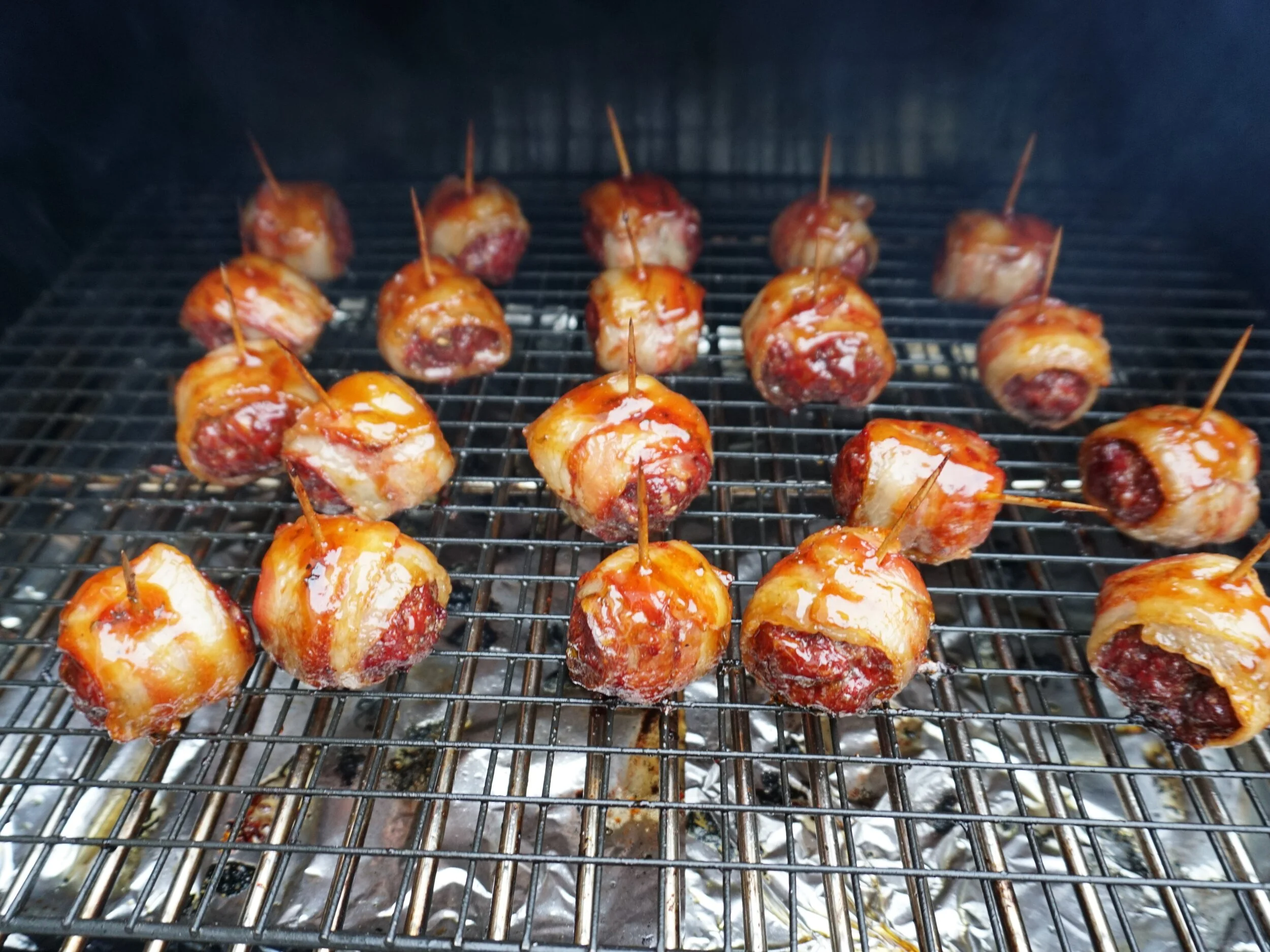
Ever heard of a deer laying eggs? Us either. But the combination of deer meat, bacon, jalapenos, and cheese makes you wish they would. These tasty bundles of venison awesome are perfect for any occasion, and are a sure thing to knock the socks off any other dish at the party!

One of our favorite things to do with bear is to cure an entire shoulder or hindquarter into a ham. Ham can be used for many different recipes from breakfast all the way to dinner. Check out our recipe for savory smoked black bear ham on a pellet grill!

Curry has always been a secret favorite of mine. While living in Okinawa, Japan, my friends and I would often make it a tradition that on Saturday morning, after a night out, we would head to the local curry house and order some hot curry to sweat out all the fun we had the night before. I’m sure a lot of people arne’t really into spicy curry so I made a few adjustments to this recipe for even the most delicate of pallets. Made with beef, carrots, mushrooms, and curry roux, this savory and hearty Japanese inspired wild game curry makes a fabulous introduction for new curry eaters. Even my kids devoured it!

We’ve written a bunch about our love of bears. They’re beautiful animals that are absolutely delicious. Plus, they’re covered in fat. Delicious, mouth-watering fat that’s great for cooking. Bear oil has a very neutral taste/smell, lasts for over a year and can be used for most cooking applications. Check out this article on The Best Way to Render Bear Oil!
Bears are one of the few animals where the entire animal can be utilized. Fur (for rugs and throws), skull (for display and mounting), fat (rendering into usable lard), the meat (for eating of course), and more recently…the baculum (I’ll let you look that one up). If more hunters knew how good bear meat actually is they would think about it differently.

It’s been said that venison is too gamey to cook with or that it’s too dry to really make anything with other than tacos and spaghetti. If you’ve ever searched the outskirts of venison recipes, you may find a few options that many people don’t particularly venture to. Venison pastrami is in that baron wasteland that many hunters are either too lazy or too intimidated to try.

Goose season runs through early September through mid December here in Michigan. Geese are fun to hunt and delicious to eat - especially in the deer blind. Try out this easy recipe and take a healthy & delectable treat out with you next time you do an all-day rut sit. Click here to try to The Perfect Rut Snack.

Aged meat is something to cherish and there is a good reason to. If you’ve ever been to a fine steakhouse, you’ll know that some of the highest-priced items on the menu are the aged steaks. On average, a 30-day aged beef steak goes for about $50. But why? What makes an aged piece of meat so special?

With all the talk of big game cooking, someone needs to look out for the little guy. Small game cooking can be some of the best meals you'll ever have. If you were fortunate enough to bag a few rabbits and/or squirrels this past season, or if you plan on harvesting some this coming season, here is a quick and easy recipe to try for both animals.

It’s hard to find someone who doesn’t like jerky. This Independence Day serve your guests something really special: Sweet, Spicey ‘n Smoked Venison Jerky. It’s easy and will be a definite crowd-pleaser.

Start it out by smoking the shoulder at low temperature (225F) for a few hours, then transfer it over to a large aluminum pan, add onions, peppers, spices, and a beer (or broth) for a bit of moisture, then seal it all up with foil and continue cooking until the meat falls from the bone. All that connective tissue in the shoulder melts into the meat for a wonderful flavor.